Sustainable homes you enjoy living in. Designed with trust, clarity & care.
Should you use lime render on a Victorian house? Thoughts from our East Sussex renovation.
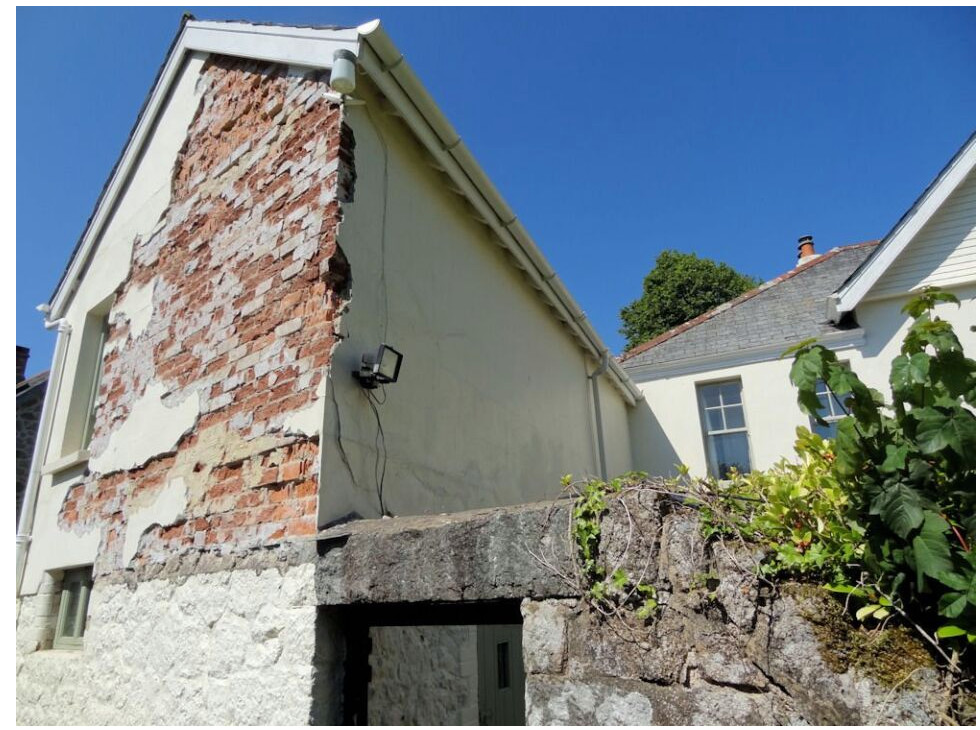
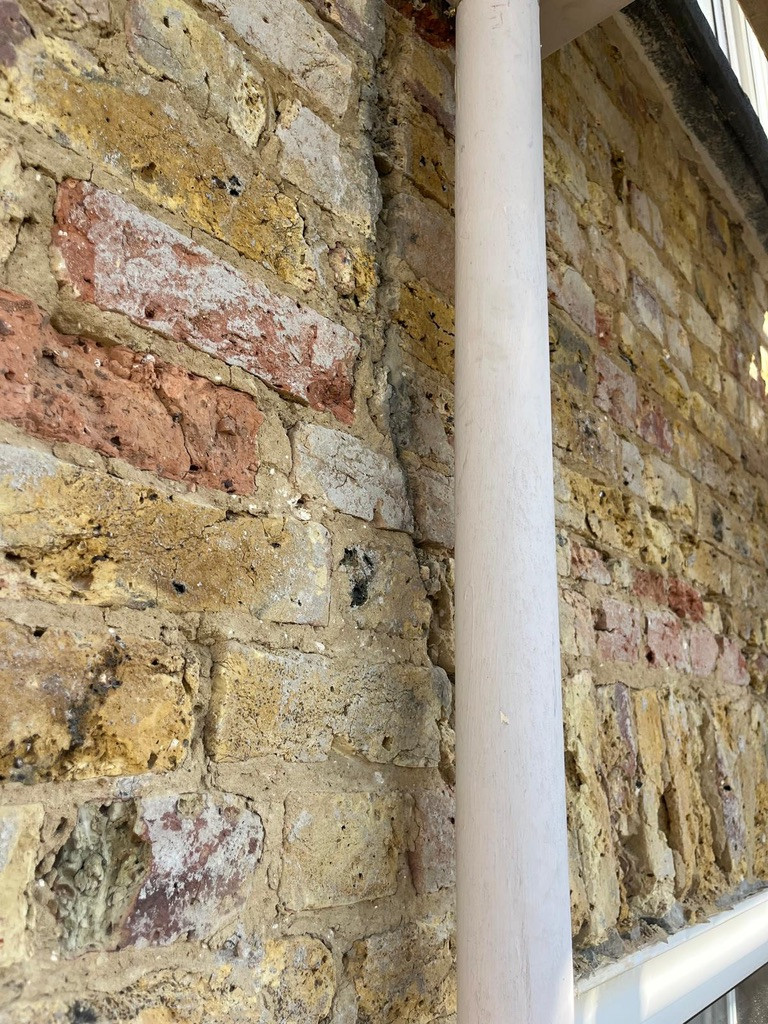
When cracks appeared across the render at the back of our coastal home East Sussex, we knew it was time to make some decisions. The existing render had reached the point where repairs were no longer going to be enough, and a more comprehensive solution was needed. As with many renovation decisions, the question wasn't simply what to replace it with, but how to do so in a way that respected the building and supported its long-term future.
Our house was built around the turn of the twentieth century. Like many period homes, it has already seen several owners, numerous repairs and almost certainly a variety of interventions over the years. With sensible maintenance and a bit of luck, it will continue to stand long after we are gone.
That thought weighs into many of my renovation decisions, both professionally and personally. Old houses don't really belong to us. We are simply their custodians for a period of time before someone else takes over.
Lime render vs cement render for a Victorian house
One of the first decisions we faced was whether to use a more modern cement-based render or a lime-based system. There are strong opinions on both sides of this debate, but I tend to approach these questions with curiosity rather than ideology.
The goal is not to recreate the nineteenth century. Equally, it is not to assume that newer products are automatically better. The goal is to understand how the building was designed to function and then make informed choices that support that function.
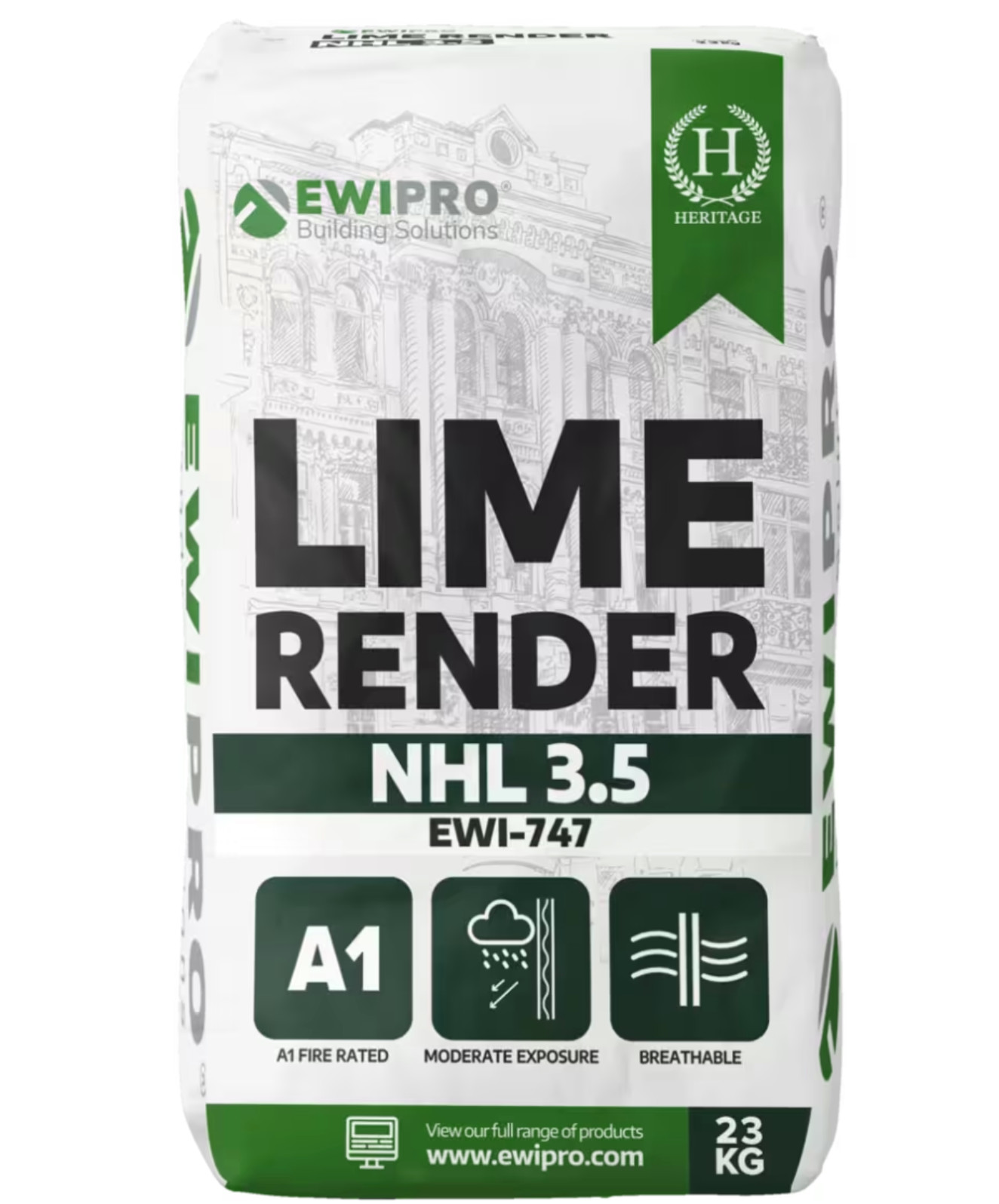
For our project, and after discussions with an experienced plasterer who regularly works on historic buildings, we chose an NHL 3.5 (Natural Hydraulic Lime) render mixed with washed plastering sand and no additional additives. I was attracted to its long track record, its compatibility with traditional construction methods and its ability to support moisture movement through the building fabric.

A quick note on NHL
If you've started researching lime render, you've probably come across the term NHL. It stands for Natural Hydraulic Lime, a material that has been used in construction for centuries.
The NHL 2, NHL 3.5 and NHL 5 classifications are relatively modern, but the underlying material is not. In many ways, NHL sits at an interesting intersection between traditional building wisdom and modern manufacturing standards. It offers a long history of use alongside the reassurance of consistency and quality control.
Sustainable renovation is not always about new products
One thing this project reinforced for me is that sustainable renovation isn't always about finding the latest environmentally friendly product. Sometimes it is about understanding what already exists, repairing where possible and choosing materials that work with the building rather than against it.
I am interested in innovation and regularly research new products and technologies. However, I also think there is value in paying attention to solutions that have already stood the test of time. When a material has performed successfully in similar buildings for generations, that deserves consideration too.
For me, sustainability is ultimately about stewardship. It is about making decisions that future owners are unlikely to regret.
Why paint should be part of the conversation from the beginning
One aspect of the project that deserves far more attention than it usually receives is paint. Many homeowners understandably focus on the render specification and only start thinking about paint once the rendering work is complete.
In my experience, that sequence can create unnecessary limitations. If colour matching is important to you, or if you have a particular finish in mind, it is worth researching compatible paint systems before finalising the render specification.
In other words, I would encourage homeowners to reverse engineer the process. Understanding your finishing options early allows you to make more informed decisions and reduces the likelihood of disappointment later.
Colour matching: don't skip the tester pots
I have never been a huge fan of colour matching. Existing paint ages differently across elevations, weather conditions affect appearance and colours can look surprisingly different throughout the day.
That said, I was genuinely impressed by the colour matching service from Mike Wye. The match was remarkably accurate and gave us confidence moving forward.
Even so, I would still recommend buying tester pots. In fact, I think they are essential. Apply samples in different locations, look at them in different weather conditions and take photographs. If you struggle to see subtle differences in colour, photographs can often reveal things that are difficult to spot in real time.
It is also worth asking other people for their opinions. We do not all see colour in exactly the same way, and this is one of those decisions that can be surprisingly difficult to change later.
Rendering projects are really project management projects
The rendering itself is only one part of the process. Scaffolding, access, sequencing, curing times, weather conditions and decoration all need to be coordinated.
This wasn't new information for me. Project planning and coordination are already a significant part of my professional work. However, this project reinforced how important it is to think several steps ahead.
For example, if you know other external works are likely to be required in the near future, it may be worth considering whether they can be completed while scaffolding is already in place. Good planning can save both money and disruption.
Traditional materials also tend to work to a different timetable. Lime requires appropriate curing conditions and a degree of patience. Understanding this from the outset makes for a much smoother experience.
The details that matter
Perhaps the most satisfying aspect of the project was not the render itself but the details that were preserved along the way.
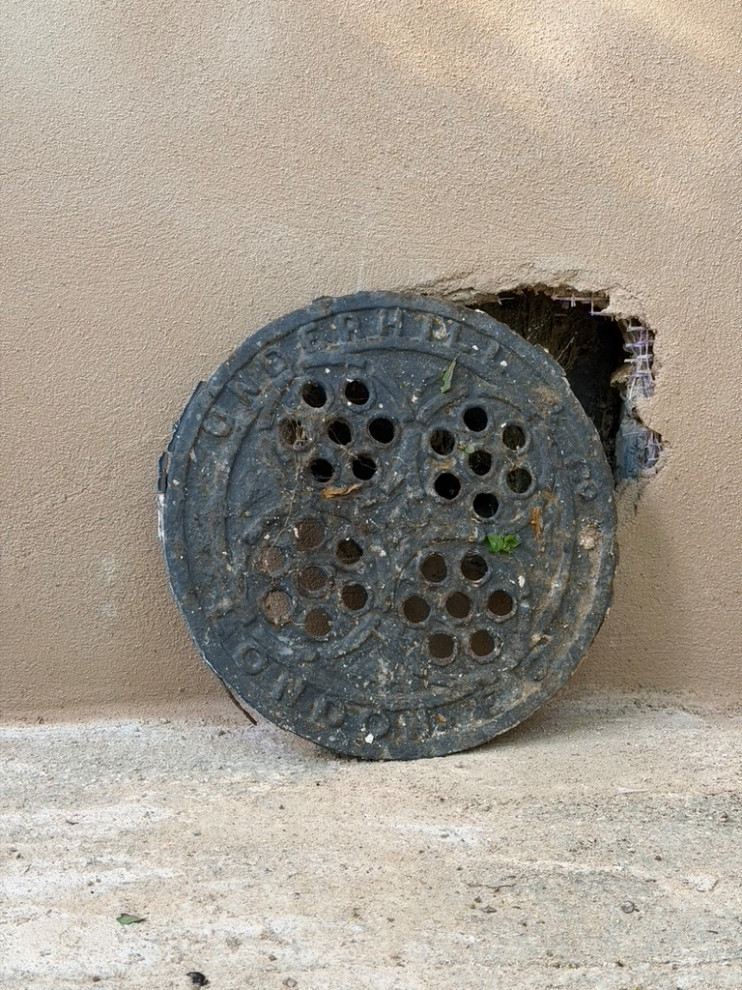
An old cast-iron vent remained in place. Original features were retained rather than replaced. Small architectural details that contribute to the character of the house were treated with care and respect.
I was fortunate to work with a plasterer who understands historic buildings and appreciates the value of those details. They may seem insignificant individually, but collectively they help tell the story of a building.

Looking after something you intend to pass on
Every renovation project presents hundreds of decisions. Some are technical, some are financial and some are aesthetic. The most important ones, however, often come back to a few simple questions.
How was this building designed to work? Which choices support that? Which choices preserve flexibility for the future? And which decisions are future owners unlikely to regret?
For me, those questions sit at the heart of sustainable renovation. They apply just as much to kitchens, extensions and layouts as they do to render.
The cracks in our render may have started this project, but the project itself became another reminder that good renovation is rarely about finding the perfect product. More often, it is about understanding the building, respecting its character and making thoughtful decisions that allow it to continue serving future generations well.
Coming soon
I am currently preparing a practical guide called Breathing New Life Into Old Walls, where I'll share additional notes on render selection, breathable paint systems, colour matching, scaffolding planning and preserving character in period homes. Join my mailing list if you'd like to receive a copy when it's released.