Sustainable homes you enjoy living in. Designed with trust, clarity & care.
Remove or restore a fireplace in a period home? (Part 1 of 2)

Should you keep, reinstate or remove a fireplace when renovating a period home?
There’s something deeply evocative about a fireplace. In a period home, it’s often the heart of the room, a symbol of warmth, heritage, and continuity. Personally, I find them beautiful and in perfect keeping with the character of older properties. And yes, I admit I feel a little sad when I see one filled in, boarded up or removed altogether.
That said, homes must also serve the people who live in them today. A fireplace can dictate the flow of a room or dominate a layout in ways that just don’t work, especially in smaller homes. So if you're wondering whether to keep, remove or repurpose yours during a renovation, here are the key things to consider.
The legal and structural realities of removing a chimney
1. Is your home listed or in a conservation area?
If your home is listed, any alteration to a fireplace or chimney breast is likely to require listed building consent. Even if the fireplace itself isn’t listed, it may contribute to the building’s character and historic fabric. The rules are strict, and unauthorised work can be an offence, so check with your local authority before making any changes.
Similarly, if you live in a conservation area, external changes to chimney stacks may need planning permission.
Tip: Contact your council’s Conservation Officer early in your planning phase. They can advise on what’s allowed and often appreciate early collaboration.
2. Do you share a chimney with your neighbour?
In terraced or semi-detached homes, chimneys are often shared structures. Removing all or part of a chimney breast or stack may require a Party Wall Agreement under the Party Wall etc. Act 1996. This means notifying your neighbour(s), providing written notice, and potentially engaging a surveyor.
While this might sound like a small administrative step, disagreements or delays in this process can stall your entire project. Factor it into your timeline and budget.
3. Structural implications
Removing a chimney is rarely a simple job. Chimney breasts support weight from above — removing one (even on an upper floor) means replacing that structural support, often with steel beams.
- Ground floor chimney removal may require complex structural reinforcement, especially if it continues above.
- First-floor chimney breast removal typically involves installing steel supports in the floor void.
- Loft or roof-level chimney removal may need scaffolding, temporary support, and care to maintain weatherproofing.
You’ll likely need a structural engineer, a building control application, and qualified trades to carry out the work to code.
4. What does it cost?
As a general guide, removing a chimney breast while retaining the stack costs around £2,500, according to Checkatrade's October 2026 estimates. Removing a chimney stack alone averages approximately £1,800, although costs can be considerably higher where scaffolding, structural supports and extensive roof repairs are required.
Structural engineering, building control, party wall procedures, waste disposal and making good can add to the overall budget. In older properties, unexpected discoveries can also increase costs.
These are indicative UK averages, not quotations. For a realistic budget, ask contractors to itemise the scope and obtain advice from a structural engineer before committing to removal. You can also consult these two sources for further guidance:

Stories from site
Over the years, I’ve worked with clients, and I’ve made these decisions in my own home too. It’s never black and white.
In a number of Victorian terrace homes in London, I’ve reinstated fireplaces that had been removed or bricked up. Alongside restoring the original floorboards, this approach added real value to the properties. There's something undeniably emotional, even nurturing, about these period features. Done properly, they look modernised and loved. Not just "shabby chic" (though there’s nothing wrong with that either!), but considered and alive with character.
In contrast, I recently supported a client renovating their beautiful 1830s detached home in Brighton. We discussed removing the chimney breast upstairs to open the room and create dual-aspect windows. It made a lot of sense on paper, but it would have meant disrupting the living room below, which didn’t need any work. Instead, through clever layout iterations, we found a solution that kept the chimney and gave them exactly what they wanted: a clean headboard wall and two walk-in wardrobes. They avoided significant structural work, preserved the building’s integrity, and created a layout that feels both luxurious and grounded. They’re over the moon. And honestly, I’m still proud of the creativity that led to that solution.
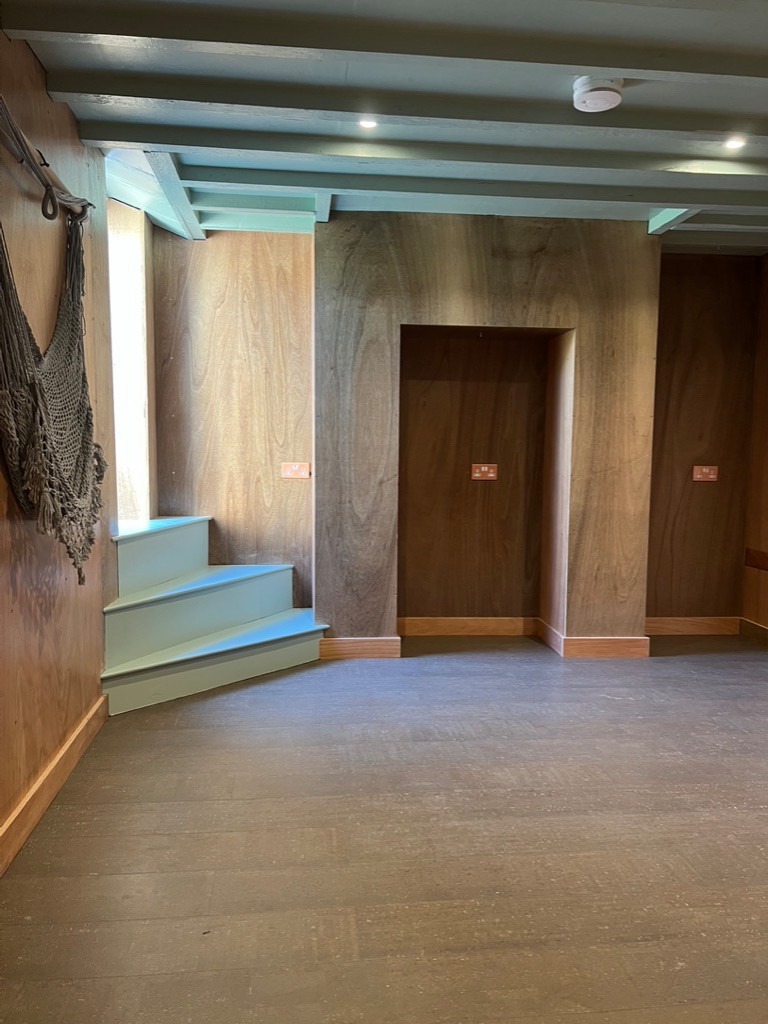
Creative ways to reuse or reimagine a chimney
Not everyone wants to go through the admin, cost or construction mess of chimney removal, and the good news is, you don’t have to.
Here are some brilliant ways to work with your fireplace or chimney breast, even if it’s not in use:
- In a kitchen: Fit a range cooker and an extractor fan in the chimney breast. You will need to open it up higher and most likely need to fit in a steel beam as well as a flue into the chimney (building regulation/fire safety approved), but the result can be striking and efficient.
- For storage: Use alcoves around the fireplace for built-in shelving or cupboards. Bespoke carpentry here is often less costly than a full rebuild.
- As a design feature, Strip the fireplace back to its original brickwork for a warm, rustic feel. Real brick often needs repointing to look intentional and clean.
- For texture and atmosphere: Even a non-functioning fireplace can anchor a space — with candles, plants, a mirror above, or art inside the hearth.
Don’t underestimate the emotional effect a fireplace can have. It gives a sense of continuity, a quiet reminder of all the lives lived in your home before yours.

Conclusion: Beauty, value and function. It is your decision to make
What matters most to you in your home? Some people want minimal disruption and modern flow. Others feel emotionally drawn to restoring what once was. Many paths are valid.
A word of advice from me, with my admitted love for fireplaces: Before fantasising about chimneys magically disappearing and creating an "enormous" amount of extra space, pause. Think about the costs, timescales, planning permissions, structural implications, and neighbour negotiations. Sometimes, the gains aren't as transformative as they seem, and there may be creative ways to meet your home needs in a way that is stylish, sustainable, and time- and cost-efficient.
In the next part of this blog, I’ll share advice on restoring mistreated fireplaces, explore the health and energy-efficiency considerations around open fireplaces, and look at the role they can play in retrofitting and adding value.
And yes, I’ll say more about why I personally feel a strong pull to keep fireplaces, even when the modern brain says, "Get rid." Ultimately, it's all about knowing your options and deciding what feels right for you.
Coming up next…
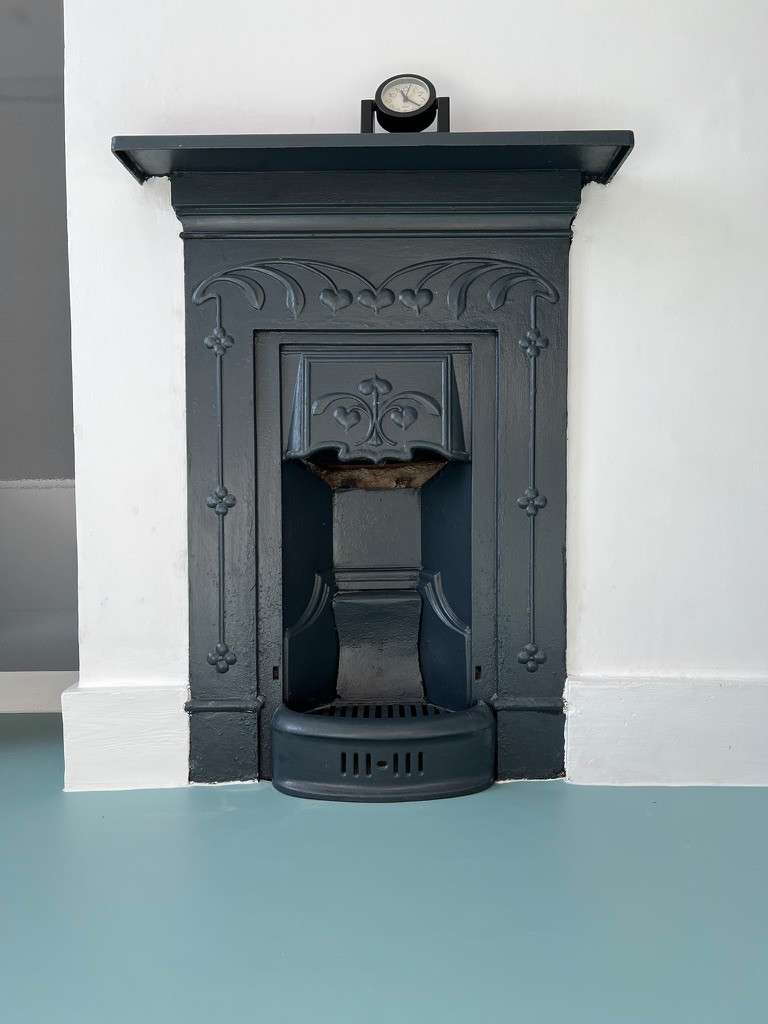
In Part 2 of this guide, I’ll explore how to restore an original fireplace that’s been mistreated over time, and how to make the most of it even if it’s no longer in use.
We’ll look at current advice on open fires and indoor air quality, the controversy around wood-burning in cities like London, and how a fireplace fits into a thoughtful retrofitting strategy.
➤ Read Part 2: Restoring and repurposing period fireplaces
Considering removing a chimney breast or reworking the layout of your period home? An independent renovation consultation can help you explore the options, understand the implications and make informed decisions before committing to building work.