Sustainable homes you enjoy living in. Designed with trust, clarity & care.
Preparing for Building Control visits: what to document during a renovation
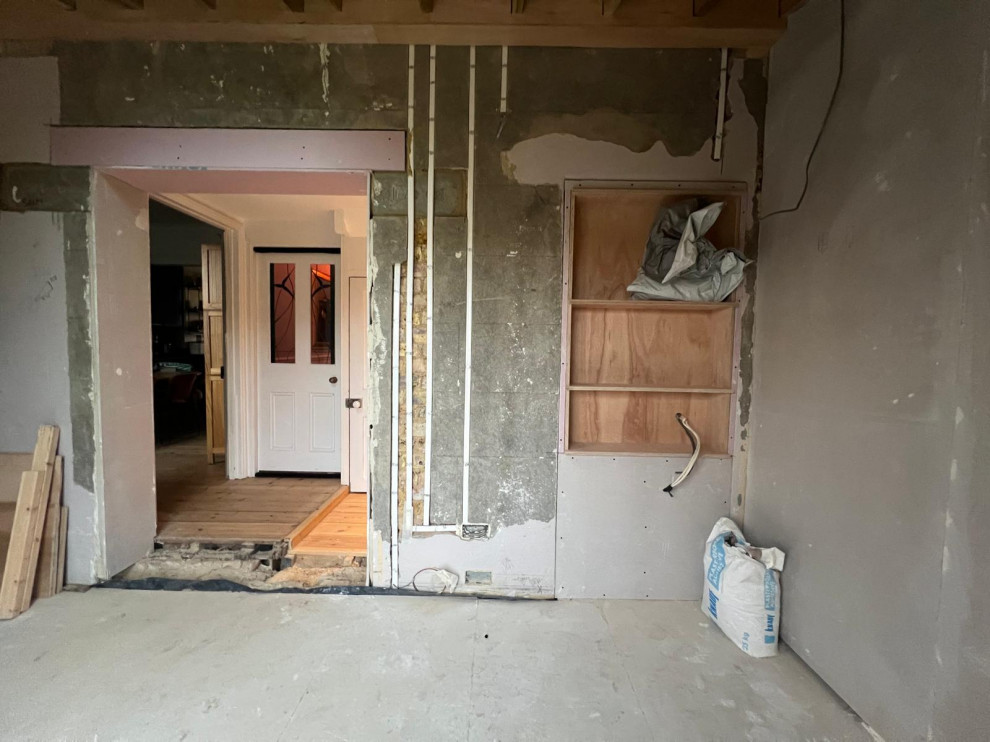
The photo that saved a finished project
The work was complete.
Plaster skimmed.
Paint finished.
Rooms furnished.
Then, during a compliance check, the request came:
“Do you have a photo of the second steel beam, showing the pink fire-rated board, before it was plastered?”
The beam itself was no longer visible. It had been sealed behind finishes months earlier.
What made the difference was not foresight about that specific request, but disciplined documentation throughout the build. A quick scroll through site photos revealed multiple images clearly showing the steel, the fire protection, and the sequence of installation.
No opening up.
No delays. No questions left hanging.
This is why documenting a building site properly is not optional administration. It is a core part of managing a renovation well.
Why site documentation matters (beyond “nice progress photos”)
Most renovation projects are documented informally, if at all. Photos are taken because something looks exciting, or because progress feels tangible.
But systematic site documentation serves a very different purpose. It provides:
Evidence of compliance
Once work is covered up, it cannot be inspected visually. Building Control officers rely on documentation to verify that:
- structural elements were installed correctly
- fire protection was applied
- insulation met specification
- membranes and junctions were correctly detailed
Photos often become the only verifiable record.
Continuity across inspections
Inspections are rarely carried out by the same person every time. Documentation ensures continuity where people, timing and memory change.
A factual record if questions arise
Whether during sign-off, post-completion queries, or future alterations, photos reduce reliance on assumptions or conflicting recollections.
Protection for all parties
Clear documentation supports homeowners, contractors and professionals alike. It allows conversations to remain factual and measured rather than emotional or defensive.
How many Building Control visits are typical?
For a UK home renovation involving structural work, insulation upgrades and electrical changes, Building Control involvement is staged.
While no two projects are identical, a typical sequence may include:
- Notification or commencement
- Excavations and foundations (if applicable)
- Structural works (steel beams, load-bearing alterations)
- Insulation stages (walls, floors, roofs)
- Drainage alterations
- Fire safety elements
- Final inspection
Some visits are formal, others more informal, but each assumes that key elements are visible at the time of inspection. When they are not, documentation becomes essential.
What should be documented (and why)
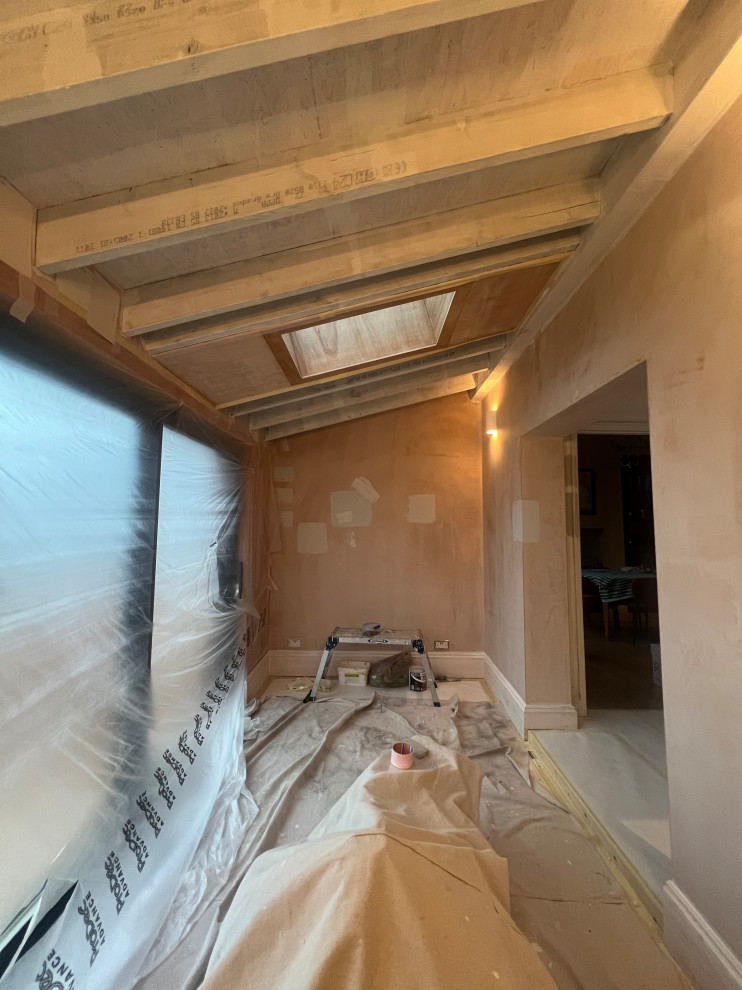
The guiding principle is simple: If it will be hidden later, document it now. This typically includes:
- Steel beams before boarding and after fire protection
- Insulation layers (including thickness and continuity)
- Damp proof membranes and junctions
- Drainage runs before backfilling or covering
- Electrical routes prior to plastering
- Fire-rated assemblies
- Any deviation from drawings or specifications
Practical guidance
- Take wide shots for context and close-ups for detail
- Photograph measurements where relevant
- Keep original dates intact
- Avoid editing or cropping originals
- Organise photos by stage or week, not by room
This is not about volume. It is about relevance.
Preparing properly for Building Control visits
A well-managed project anticipates inspections rather than reacting to them. That means:
- knowing which stage is coming next
- understanding what will be inspected
- ensuring visibility or documentation is in place
During visits:
- keep communication factual
- provide information clearly
- avoid speculation or defensiveness
- offer documentation when something is no longer visible
If clarification is needed, it is entirely reasonable to say: “I’ll check the documentation and come back to you.” That response signals organisation and professionalism.
Private Building Control vs local authority inspectors
Both routes enforce the same regulations, but their working styles may differ.
Local authority Building Control:
- often covers wider geographic areas
- may involve different inspectors across visits
- has strong familiarity with local housing stock
Private Building Control firms:
- often provide continuity of inspector
- may offer faster scheduling
- still require the same level of evidence
In both cases, good documentation supports smoother inspections and clearer communication.
Where projects commonly start to feel unmanageable
At this point, many homeowners realise that managing a renovation well requires far more than design decisions.
It involves:
- sequencing works correctly
- understanding compliance requirements
- coordinating multiple professionals
- maintaining records
- making timely decisions
- communicating clearly under pressure
This is often where projects begin to feel heavy, not because something has gone wrong, but because the complexity becomes visible.
How The Place Between supports this process
This is exactly the space The Place Between works in. My services and upcoming resource library are designed to support homeowners with:
- project sequencing and timing
- understanding what to document and when
- preparing for Building Control interactions
- contractor conversations and contract structure
- design guidance for key rooms and layouts
- reducing friction and preventable conflict
This post forms part of a wider body of work aimed at making renovations calmer, clearer and better managed.
If you are looking for structured support rather than reactive problem-solving, you are not alone.
And you do not need to hold all of this in your head!
The Place Between offers home design and project management services. We work with a network of building professionals. We believe that the transitions brought up by property refurbishment works can be well planned, enjoyable and rewarding. Our role is to make this 'in between' period as smooth as possible for homeowners.
With The Place Between, you are in a position to start and successfully complete your project, decide which responsibilities you want to take on yourself, and let us help you with the tasks you have less time or capacity for.
Services can be delivered in person in the UK for: London, Brighton, Lewes, Seaford, Eastbourne, East Dean, Newhaven
Services available online internationally in English and in French.